We are building India's first 10 MWe nuclear energy microreactor

Daratha Atomics is a nuclear energy startup on a mission to make abundant nuclear energy available to power economic development in India and around the world.

10 MWemodularised reactor aim
45 GWProjected AI & data centre load in India by 2047
100 GWIndia's nuclear mission ambition

The Energy Trilemma

Every energy source has tradeoffs. Coal and oil are cheap but dirty. Solar and wind are clean but intermittent. Batteries help, but they don't provide baseload power. Nuclear gets you pretty close to having it all.

RELIABLE GREEN AFFORDABLE Coal Oil Natural Gas Batteries Solar Wind NUCLEAR

Modular nuclear energy is the answer

01

Clean

Low carbon electricity, without the intermittency compromises of renewables.

02

Reliable

24/7 power availability, true baseload, not weather dependent supply.

03

Dense

High energy output from a small physical and land footprint.

04

Scalable

Built for industrial growth, fabs, data centres, and heavy industry.
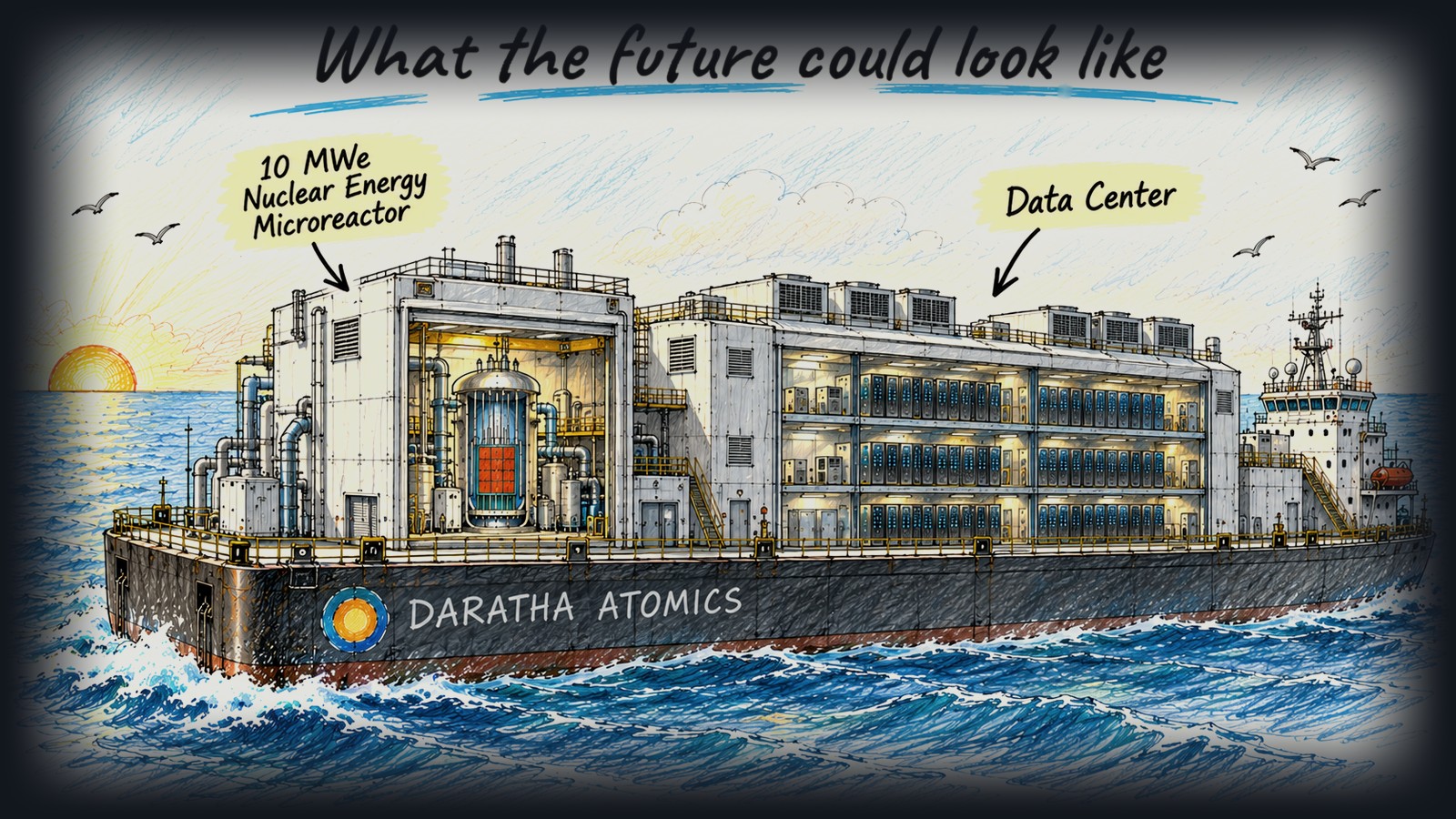
Hand drawn illustration of a floating barge carrying a 10 MWe nuclear energy microreactor beside a data center, titled What the future could look like.
iILLUSTRATION OF OUR AMBITION, NOT AN ACTUAL SYSTEM
Why Traditional Nuclear Isn't Enough

Conventional nuclear plants are proven technology built on a model too slow, too capital intensive, and too centralized for the load growth ahead.

10+
Years
Typical deployment timeline, from site selection to first power.
$10B+
Capital
Upfront capital required for a conventional gigawatt scale plant.
1+
GW
Typical plant size — far larger than most industrial sites need.
Grid
Dependent
Cannot easily serve remote loads or sites off the transmission backbone.

Our approach: we want to build reactors like aircraft engines.

One standard design, manufactured at scale in a gigafactory and deployed wherever power is needed, instead of building a massive custom project from scratch every time.

TRADITIONAL NUCLEAR

Bespoke megaprojects

Designed and built on site, one at a time.

FACTORY BUILT MICROREACTORS DARATHA ATOMICS

One design, built on a production line

  • Standardized
  • Faster
  • Lower cost
  • Scalable
  • Deployable

CONCEPT ILLUSTRATION

Standardized // ONE DESIGN

One certified reactor design, deployed infinitely, no bespoke engineering for every site.

Factory Built // NO MEGAPROJECTS

Manufacturing on a production line replaces onsite megaproject construction.

Deployable // WHERE IT'S NEEDED

Power delivered where demand emerges, not only where the grid already reaches.

Lego-like modularity. Ikea-style assembly.

Most of the work happens in the factory, not in the field.

Our goal is to move as much construction as practical into a controlled factory environment, where modules can be built, assembled, tested and quality controlled repeatedly before they ever reach a site.

Traditional nuclear
10+ yrs
typical deployment, from site selection to first power
Daratha design targets
70–80%
of the work completed in the factory
3–6 mo
on site construction time per unit

TARGETS TO BE VALIDATED, NOT PERFORMANCE COMMITMENTS. THE TWO FIGURES MEASURE DIFFERENT THINGS: TOTAL DEPLOYMENT TIME VS ON SITE CONSTRUCTION.

From factory floor to first power
1
Build in the factory

Components and modules manufactured and assembled on a controlled production line.

2
Test before it ships

Inspected, tested and quality controlled before leaving the factory.

3
Transport

Designed around Indian road and rail transport limits.

4
Install on site

Site works and customer integration, not a bespoke megaproject.

5
Go live

Commissioning, then operation.

Why now: Demand, policy, and technology are all coming together at the right time.

JUST ANNOUNCED, AUGUST 26, 2026

IAEA launches ATLAS: a global framework for nuclear power at sea.

The IAEA, alongside 25 member states including India, the US, UK, Japan, and South Korea, launched the Atomic Technologies Licensed for Applications at Sea (ATLAS) initiative in Washington, D.C., a new global framework to enable small modular reactors for civilian ship propulsion and floating nuclear power plants serving offshore and remote coastal communities.

In India's national statement at the launch, the Department of Atomic Energy confirmed that at least five indigenous Bharat Small Modular Reactors (BSMRs) are targeted for deployment by 2033, with smaller capacity units specifically designed as barge mounted floating nuclear power plants. This is the exact reactor class Daratha Atomics is building.

SOURCE: IAEA ATLAS MINISTERIAL LAUNCH & INDIA NATIONAL STATEMENT, AUG 26–27, 2026
25member states joined the ATLAS launch
5+indigenous Indian BSMRs targeted by 2033
2applications: civilian ship propulsion and floating power plants
DA

The Daratha edge: our CTO, Rajat Pandey, contributed to India's INS Arihant, a submarine based SMR that has been fielded and operating at sea for years. Very few reactor teams anywhere have hands on experience putting a small reactor inside a marine hull, which is exactly the engineering problem ATLAS is now asking the industry to solve.

$2.2Bin awards, up to a combined total
5Army installations selected for deployment
2028target for the first operating unit, by September
ALSO ANNOUNCED, AUGUST 26, 2026

US Army picks five microreactor developers for its $2.2 billion Janus Program.

The US Army selected five nuclear companies to own, build and operate microreactors at Fort Bragg, Fort Campbell, Fort Hood, Fort Benning and Fort Drum, in awards worth up to a combined $2.2 billion. The program is targeting its first operating unit by September 2028.

Janus is a US program with US vendors, but it signals where the market is heading: a major institutional energy buyer is now purchasing microreactors, owned and operated by the vendors who build them.

SOURCE: US ARMY JANUS PROGRAM ANNOUNCEMENT, AUG 26, 2026, AS REPORTED BY WORLD NUCLEAR NEWS AND POWER MAGAZINE
NUCLEAR OPPORTUNITY
→ NUCLEAR OPPORTUNITY
45 GW

Demand

Projected AI & data centre load growth in India by 2047.

100 GW

Policy

India's nuclear mission, energy security, and private participation targets.

10 MWe

Technology

A factory built microreactor platform, ready for this scale of demand.

India's nuclear sector opened to private capital for the first time since independence, and the country's largest industrial groups are already investing.

SHANTI ACT, 2025 Private Participation Enabled Passed by Parliament in December 2025, opening nuclear power generation to private and foreign capital for the first time.
GOVERNMENT COMMITMENT $2.1B Nuclear Mission Fund Allocated to develop indigenous small modular reactors as part of India's Nuclear Energy Mission.
INDUSTRY MOVEMENT India's Largest Groups Investing Tata, Reliance, Adani, and the Aditya Birla Group have all announced or proposed nuclear investment plans.
The size of the opportunity

A once in a generation opportunity to build a new nuclear energy industry in India.

INDIA'S 100 GW NUCLEAR OPPORTUNITY
~11x
8.8 GW
2026
22 GW
2032
100 GW
2047

Besides building new reactors, India needs to build a new nuclear energy industry.

A NEW NUCLEAR ENERGY SUPPLY CHAIN Components &ManufacturingEngineering& ConstructionQualified VendorsFuelControls &InstrumentationMaterials

Besides the reactors, a massive opportunity to build the supply chain around them.

A NEW TRAINED WORKFORCE
100,000+nuclear energy ready professionals will need to be trained
  • Engineering
  • Manufacturing
  • Operations
  • Supply Chain

Our Technology

A proven reactor class, engineered for a footprint that fits almost anywhere power is needed.

Why we chose PWR

We deliberately chose the reactor class that is already at commercial scale.

Fusion, molten salt, liquid metal and gas cooled reactors may all become important. Our first product avoids stacking several new technology risks at once, and engineers proven physics into a compact, repeatable product.

1

Research

Basic, foundational ideas

Explore concepts and prove scientific principles.

FUSIONCold fusionPlasma fusion
2

Lab scale

Validate the ideas in science.

ADVANCED FISSIONMolten saltLiquid metalGas cooled
3

Pilot scale

Confirm real world performance.

4

Demo scale

Simulate commercial operation.

OUR CHOICEPWR
5

Commercial scale

Market ready and scalable.

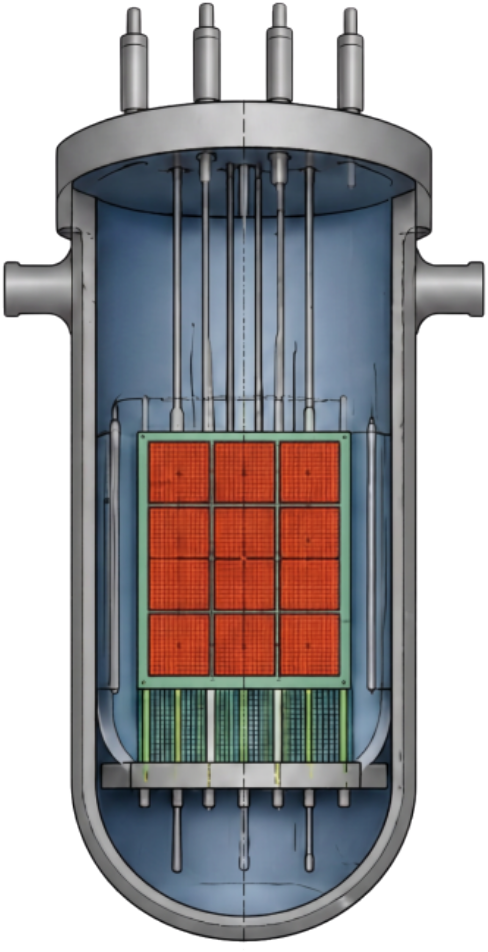
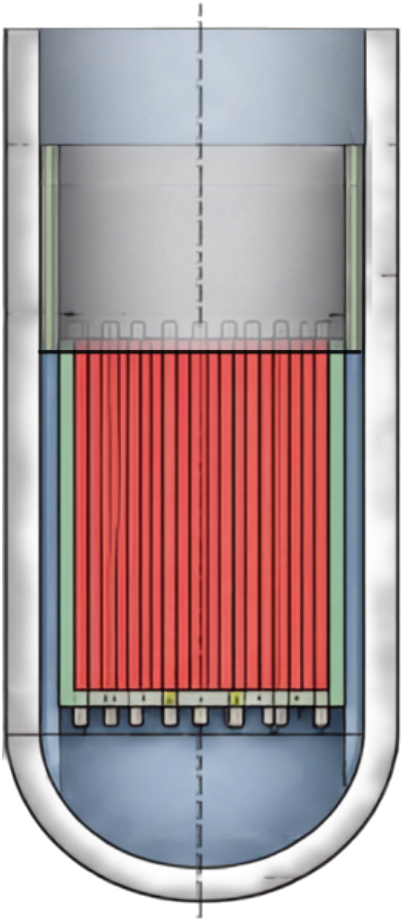
PWR core elevation cross section showing fuel assembly
Core Elevation ViewFuel assembly, control rod penetrations, and coolant flow path
PWR core cross section showing fuel assembly grid layout
Core Cross SectionFuel assembly grid within the reactor pressure vessel
REACTOR TYPE Pressurized Water Reactor Full tank type design, the same reactor class used in most of the world's operating nuclear power plants.
POWER OUTPUT 10 MWe / 32 MWt Electrical output sized for behind the meter industrial loads, from 32 megawatts of thermal power.
FUEL 3 to 4% Enriched Uranium Standard low enriched fuel, the same enrichment range used in commercial power reactors worldwide.
COOLANT & MODERATOR Light Water The most proven and widely deployed coolant and moderator combination in commercial nuclear power.
CONFIGURATION Integral PWR The core, four helical steam generators, four canned motor pumps and the pressurizer sit inside a single reactor pressure vessel, with no external primary loop piping.
FOOTPRINT

The entire reactor building fits inside a fraction of a football field.

FOOTBALL FIELD — 105m × 68m REACTOR BUILDING
20m × 8m × 8m reactor building, generators included
105m × 68m standard football field, for scale
The reactor building occupies roughly 2% of a football field's area, small enough to sit close to the industrial loads it powers.
Design ethos

A proven reactor class, built like a product.

Proven physics, standard modules and rapid assembly: one design that can be built again and again.

COMPACT CORE

Proven PWR design, optimized for 10 MWe.

Light water and standard low enriched fuel, packed into a vessel sized to travel by road and rail.

3.15 m × 9.2 mvessel transport envelope target, about 78 tonnes
MODULAR SYSTEM

Standardized components, manufactured in factories.

Lego like modularity: repeatable modules that are built and tested before they ever reach a site.

70–80%of the work completed in the factory, our target
SCALABLE DEPLOYMENT

One design, many units.

Ikea style assembly turns every delivery into a repeatable installation instead of a custom project.

3–6 monthson site construction per unit, our target

Business model: One platform serving five types of industrial customers that need large amounts of reliable, always on power, often in places where the grid can't easily provide it.

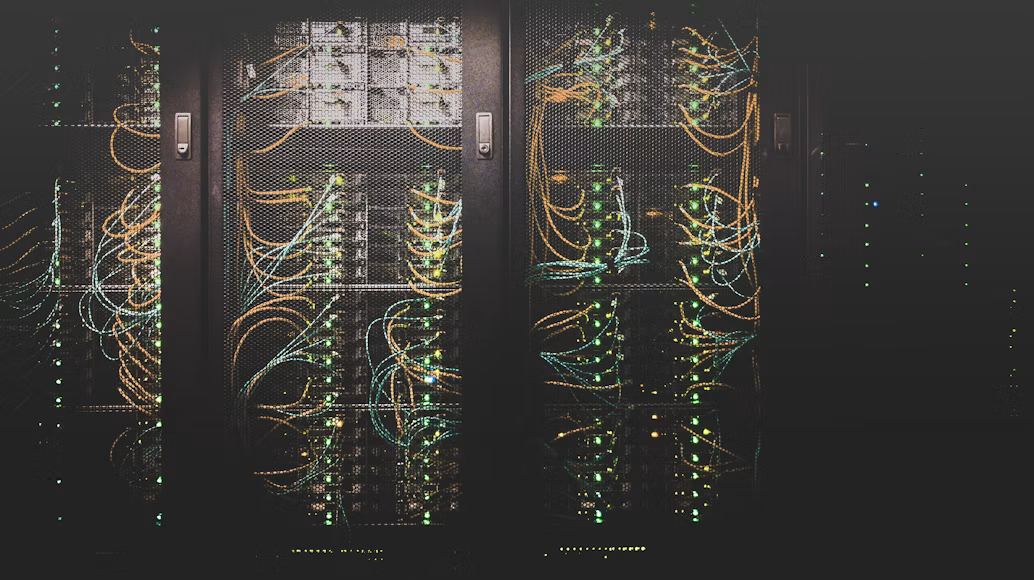
Data centre server racks
01

Data Centres

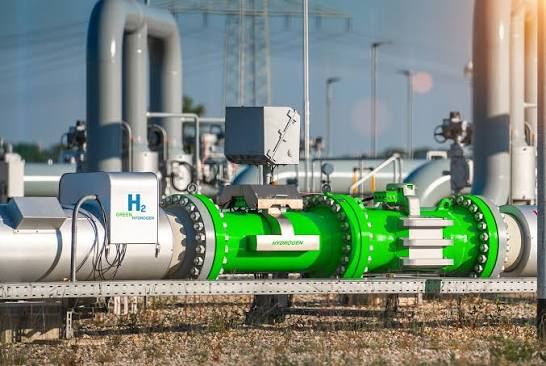
Green hydrogen production infrastructure
02

Hydrogen

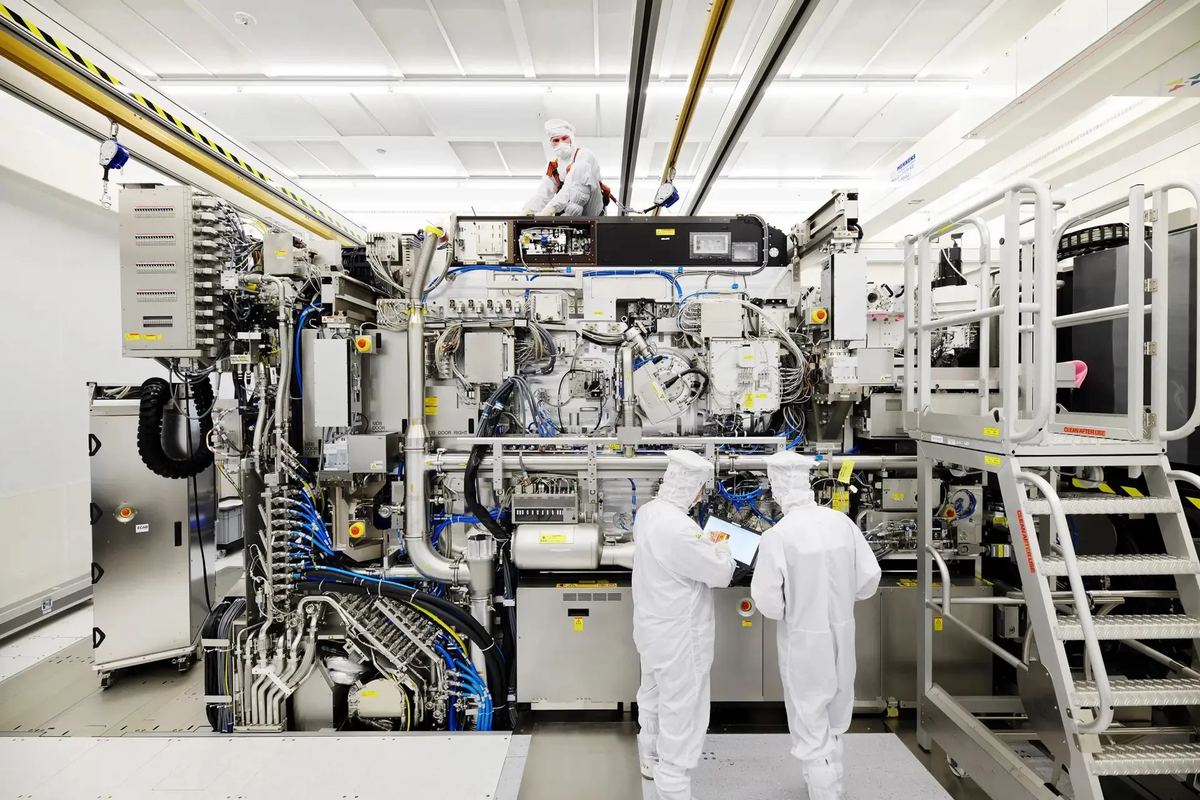
Semiconductor fabrication cleanroom
03

Semiconductor Fabs

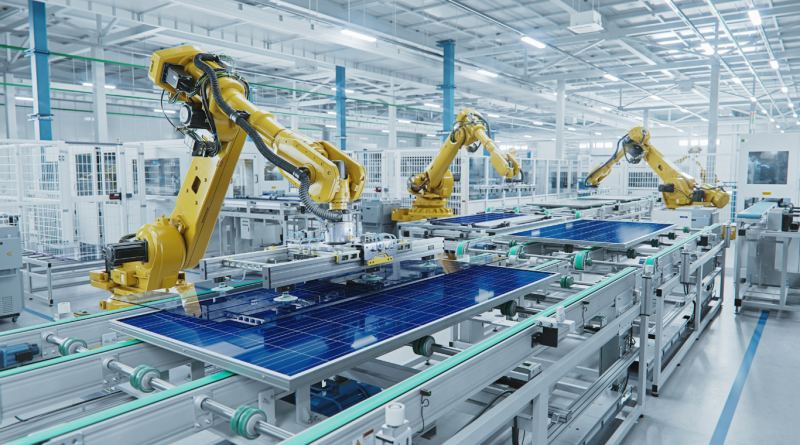
Advanced robotic manufacturing line
04

Advanced Industry

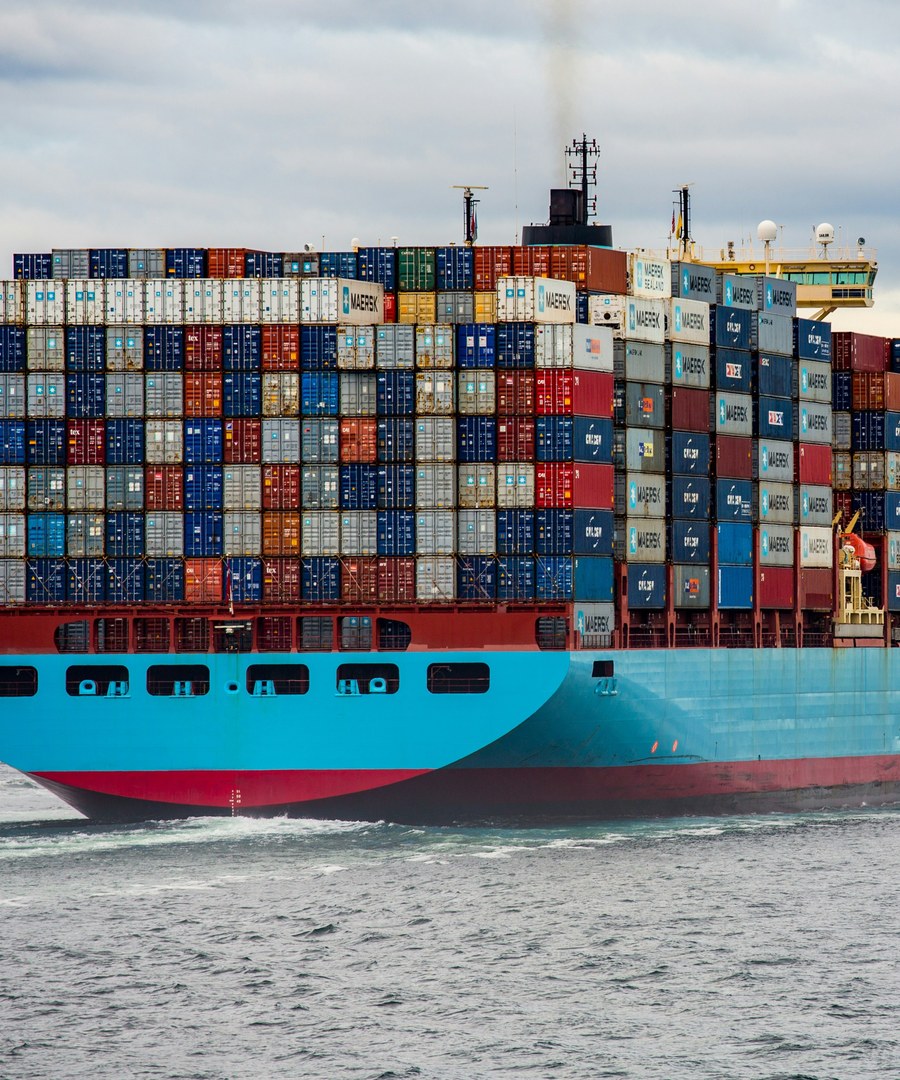
Container ship at sea
05

Maritime & Offshore

How the platform compounds Value

Every unit we build makes the next one easier, cheaper and faster.

01

Build

Design and standardize the 10 MWe microreactor and nuclear products.

02

Supply

Sell components and systems to the nuclear industry.

03

Deploy

Manufacture and deploy microreactors with partners.

04

Operate

Provide O&M, monitoring, fuel support and upgrades.

05

Grow fleet

More reactors in more markets.

06

Compound value

A larger installed base drives compounding value.

DARATHA10 MWeNUCLEAR REACTOR PLATFORM
ENABLING ECOSYSTEM
  • Policy & Regulations
  • Talent
  • Industry
  • Academia
  • Global Partners

Built by operators, engineers, and nuclear veterans.

FOUNDING TEAM
Himanshu Gupta

Himanshu Gupta

CO FOUNDER, CEO

30+ years across energy, consulting, fintech, and renewables. IIT Roorkee & SP Jain alumnus with leadership experience across the US, Europe, China, and Japan. Raised $11.5M in venture funding.

Gaurav Kaushik

Gaurav Kaushik

CO FOUNDER, CPO

Mechanical engineer and India 2047 Ventures Fellow, passionate about making India energy independent. His vision is to build an ecosystem of energy products with nuclear at its core, starting with Daratha's modular reactor platform.

Vikram Bharati

Vikram Bharati

CO FOUNDER

Founder of India 2047 Ventures. 20+ years across JPMorgan, venture capital, and startup ecosystems. Former Head of VC Investments at REAPRA across Asia. Founder of Draper Startup House, spanning 30+ countries.

Rajat Pandey

Rajat Pandey

CHIEF TECHNOLOGY OFFICER

25+ years in nuclear engineering. INS Arihant contributor, IIT Kanpur, SMR & PWR expert. Led reactor design, commissioning, and system integration across defense and civilian applications.

NS

Nuclear Safety Engineer

CHIEF NUCLEAR SAFETY OFFICER

37+ years at BARC leading nuclear safety, performance evaluation, and regulatory compliance under AERB and IAEA standards.

ADVISORY BOARD
S. Duraisamy

S. Duraisamy

FORMER VICE CHAIRMAN, ATOMIC ENERGY REGULATORY BOARD

Nuclear engineer with 40 years in reactor operations, nuclear safety, and regulatory oversight, including international collaboration with the IAEA. Extensive expertise across research reactors and nuclear power plants. As Vice Chairman of AERB, led national nuclear and radiation safety regulation.

R.K. Saraogi

R.K. Saraogi

FORMER NUCLEAR POWER LEADER, NPCIL

35+ years at NPCIL across nuclear reactor operations, planning, project management, and nuclear safety. Proven expertise in regulatory compliance, reactor core refurbishment, and emergency preparedness, with a track record of operational excellence and ISO standards implementation.

A.S. Mathur

A.S. Mathur

FORMER NUCLEAR PROJECT & SUPPLY CHAIN LEADER, NPCIL

35+ years across the complete life cycle of nuclear power projects, including construction, project execution, pre commissioning, and strategic procurement. Combines hands on site execution experience with commercial and contractual expertise, supporting safe, timely, and cost effective delivery of complex nuclear power plants.

Where we are, and where we're going.

First unit targeted for commercial operation in 2031.

JUL 2026

Idea Incubation

✓ DONE
AUG 2026

Team Formation

✓ DONE
SEP 2026

Concept Design

✓ DONE
OCT 2026

Prototype Started

✓ DONE
NOV 2026

Technical Designs

MONTH 6

Prototype Completed

MONTH 18–24

Safety Analysis & AERB Submission

Overall technical and primary safety analysis, and submission for licensing.

YEAR 4

Workshop Drawings & Execution

YEAR 5 · 2031

Operation

First unit in commercial operation.

PROGRESS TO DATE IN PLACE    IN DISCUSSION   ·   AS OF OCTOBER 2026
UNDER CONSTRUCTION

Prototype

Non nuclear prototype under construction.

MOU RECEIVED

Fuel suppliers

Global supplier MoU received.

ENGAGED

Regulators

Regulatory engagement ongoing, alongside a consortium of nuclear energy startups.

ONBOARDED

Team

Experienced professionals and young talent onboarded.

UNDERWAY

Government

Policy engagement underway.

IN DISCUSSION

Prospective customers

Industrial heat and clean fuels discussions.

IN DISCUSSION

Equipment makers

Components and manufacturing discussions.

PARTNERSHIPS

Academic institutes

Research and talent partnerships.

2031: The first unit, built and shipped from an Indian factory floor.

A factory built microreactor platform, manufactured domestically, the beginning of India's next generation nuclear energy industry.

Technical Whitepaper v2.0 · September 2026

Our Reactor.
Open Sourced.

We are open sourcing the complete engineering basis for our 10 MWe Integral PWR, core physics, thermal hydraulics, transportability envelope, and the evidence still required, published in full because that is how real engineering organizations work.

16Fuel Assemblies
3,264Fuel Pins
10 MWe / 32 MWtPower Output
1.94Calculated MDNBR
Download the Full Whitepaper (PDF) 6 PAGES · PDF · OPEN ACCESS

Energy is Destiny.

Daratha Atomics is building India's next generation nuclear energy company. If you're an investor, engineer, or partner who wants to build the reactors of the next century, we want to hear from you.